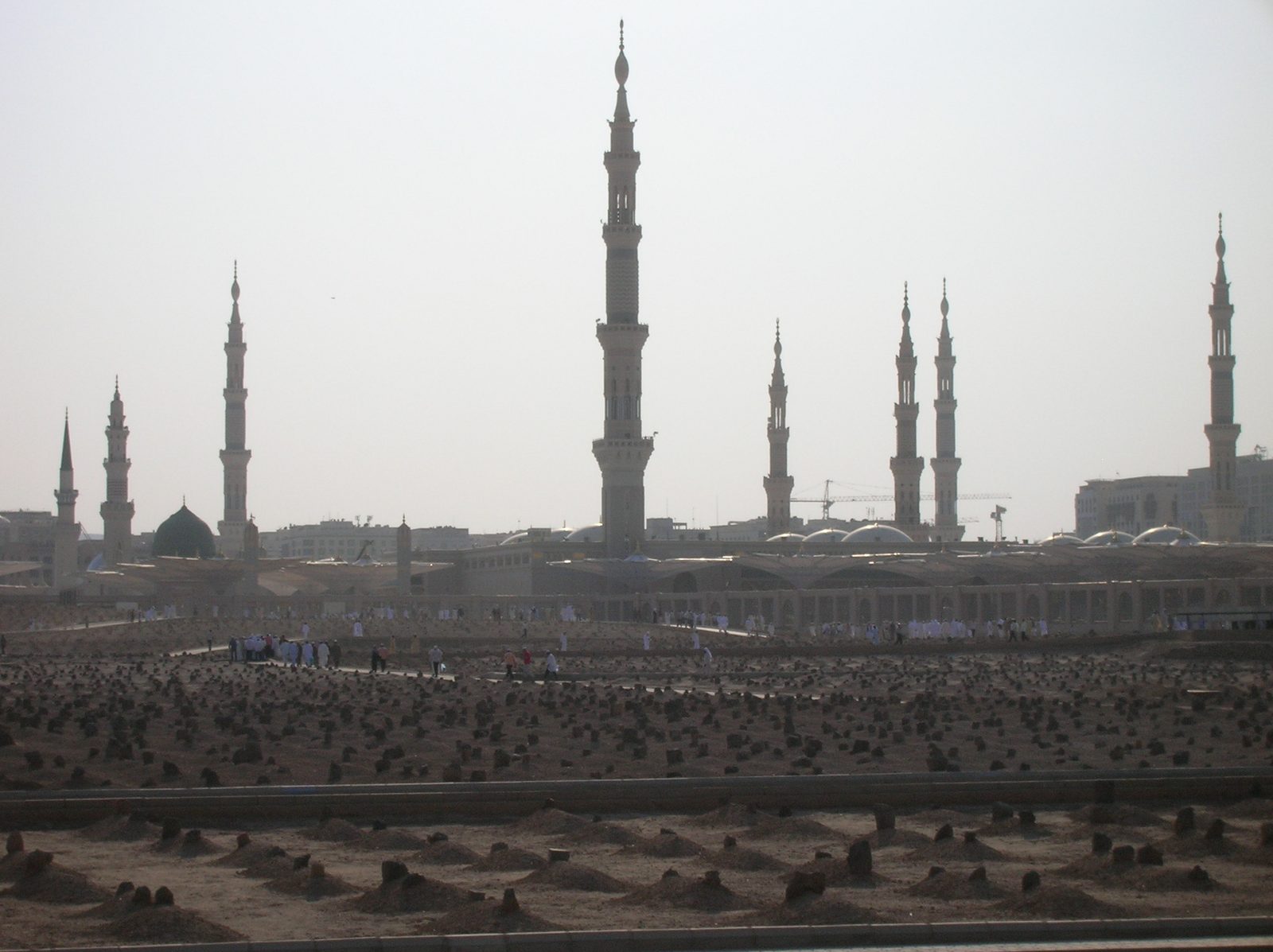
What the Baqi visit, the wider ziyarat and the daily programme actually involve, and what to ask a group first.
This article is not based on reviews written on ZiyarahCheck: at the time of writing no review on the site describes the Madinah ziyarat. It rests on what groups publish about their itineraries and on the questions worth asking. The groups named below appear because they are listed on ZiyarahCheck as taking zaireen to Madinah; naming a group here is not a recommendation.
Checked September 2026. Conditions change — confirm anything that matters before you travel.
Most Umrah packages are sold on the things that are easy to put in a table: hotel distance, star rating, transport, number of nights. For a lot of travellers, though, the part of the trip that stays with them from Madinah is the part the brochure says least about — the ziyarat. Whether it happens, how it is organised, how much time you get, and whether anyone in the group knows what they are doing.
This is not a criticism of operators. Madinah simply works differently from Makkah, and a group that has not thought it through will improvise, which means some people get what they came for and others do not.
Here is what to expect, and what to ask before you pay.
Masjid an-Nabawi is the easy part
Every group handles the masjid itself, because everyone does. Your hotel distance determines how much of your day is spent walking, and that is worth taking seriously if anyone in your party is elderly or has difficulty on foot. A hotel described as "five minutes from the haram" is often five minutes from the outer courtyard gates, which can still be a long walk to where you actually want to be, particularly at prayer times when the crowds are heaviest.
Ask what the walk is from the hotel door to the nearest gate, and which gate. That is a more useful number than metres on a map.
The Baqi cemetery is where groups differ most
Al-Baqi sits immediately beside Masjid an-Nabawi and is open to visitors at limited times, which vary and are not always announced in advance. Access can also close at short notice during busy periods.
What this means practically is that a visit has to be planned around the opening window rather than slotted in whenever the coach is free. Groups that know Madinah build the day around it. Groups that do not will tell you to go yourself, which is fine if you know where you are going and have the time, and less fine if it is your first trip and your schedule is full.
Questions worth asking:
Is a visit included in the itinerary, or left to individuals? If it is on the itinerary, on which day, and what happens if it is closed that morning — is there a second attempt built in?
Does someone from the group accompany the party? For many first-time travellers this is the single most valuable thing an operator provides, and it costs the operator nothing but attention.
The wider Madinah ziyarat
Beyond the masjid and al-Baqi there is a set of sites most groups cover in a half-day: Masjid Quba, Masjid al-Qiblatayn, wadi e Jinn, the site of the battle of Uhud and the martyrs' graves, and the trenches. Some operators include this as standard, some sell it as an optional extra, and some leave you to arrange a taxi.
None of those is wrong, but they are different products at different prices, and the brochure often does not distinguish. Ask directly: which sites are included, on which day, and is transport arranged or extra?
Ask too how long is spent at each. A half-day covering five sites is a half-day of getting on and off a coach. Some groups do three properly instead. Neither is better, but you should know which you are buying.
Whether there is a programme, or just logistics
The biggest single difference between groups is whether they run a programme — duas recited together, ziarats at Baqi, lectures, a scholar available, a structure to the days — or whether they provide transport, hotels and a meeting point and leave the rest to you.
Both are legitimate. Many experienced travellers prefer the second and would rather have the freedom. First-timers, and families with elderly relatives, almost always want the first and are disappointed when they discover, on arrival, that they have bought the second.
So ask it plainly: is there a daily programme, and who leads it?
And if a group is advertised as travelling with a scholar or speaker, ask whether he is with the group for the whole trip or joining for part of it. Both arrangements exist and both are advertised the same way.
Practical things people forget to ask
Prayer timings and how the group handles them, particularly where combining prayers affects when the coach leaves.
Whether anyone in the group speaks Arabic well enough to resolve a problem at a hotel or with an official, or whether that falls to whoever in the party happens to manage it.
What happens if someone falls ill. Who takes them to a clinic, and does the rest of the programme continue.
Whether the group has handled a wheelchair before. Most say yes. Ask what they actually did.
Reading a listing before you decide
Reviews are more useful than brochures for this, because the questions above are exactly the things travellers write about afterwards and operators do not write about beforehand.
On ZiyarahCheck each review scores a group on five things — the hotel, the transport, the food, the programme, and honesty, meaning whether the trip matched what was sold. An overall score only appears once a listing has three verified reviews, because below that an average means very little. Listings under that threshold still show their reviews; they simply show no number.
Haraka Tours, a London-based operator covering both Iraq and Saudi, is a listing at that stage. Worth looking at as an example of what you get to read when you check a group: the reviews themselves, which say more than a rating would.
Before you send the deposit
The pattern across everything above is the same. A well-run group has answers ready, because they have been asked before and have thought about it. A group that gets vague about the ziyarat programme, or answers a specific question with a general reassurance, is telling you something about how the trip will run.
You are allowed to ask. It is a significant amount of money and, for many people, a journey they will make once.
And if you have already travelled, write down what actually happened — the hotel, the transport, the care, whether the ziyarat was organised or left to you. It takes two minutes, and it is the only way the next traveller gets to ask better questions than you did.
ziyarahcheck.com